Bhakti Meaning: Devotion as a Daily Practice of Love and Surrender
A clear, reverent guide to bhakti meaning, bhakti yoga, devotional practice, scriptural roots, regional expressions, and simple ways to live devotion daily.
A single flower offered with attention can carry more devotion than a room full of hurried ritual.
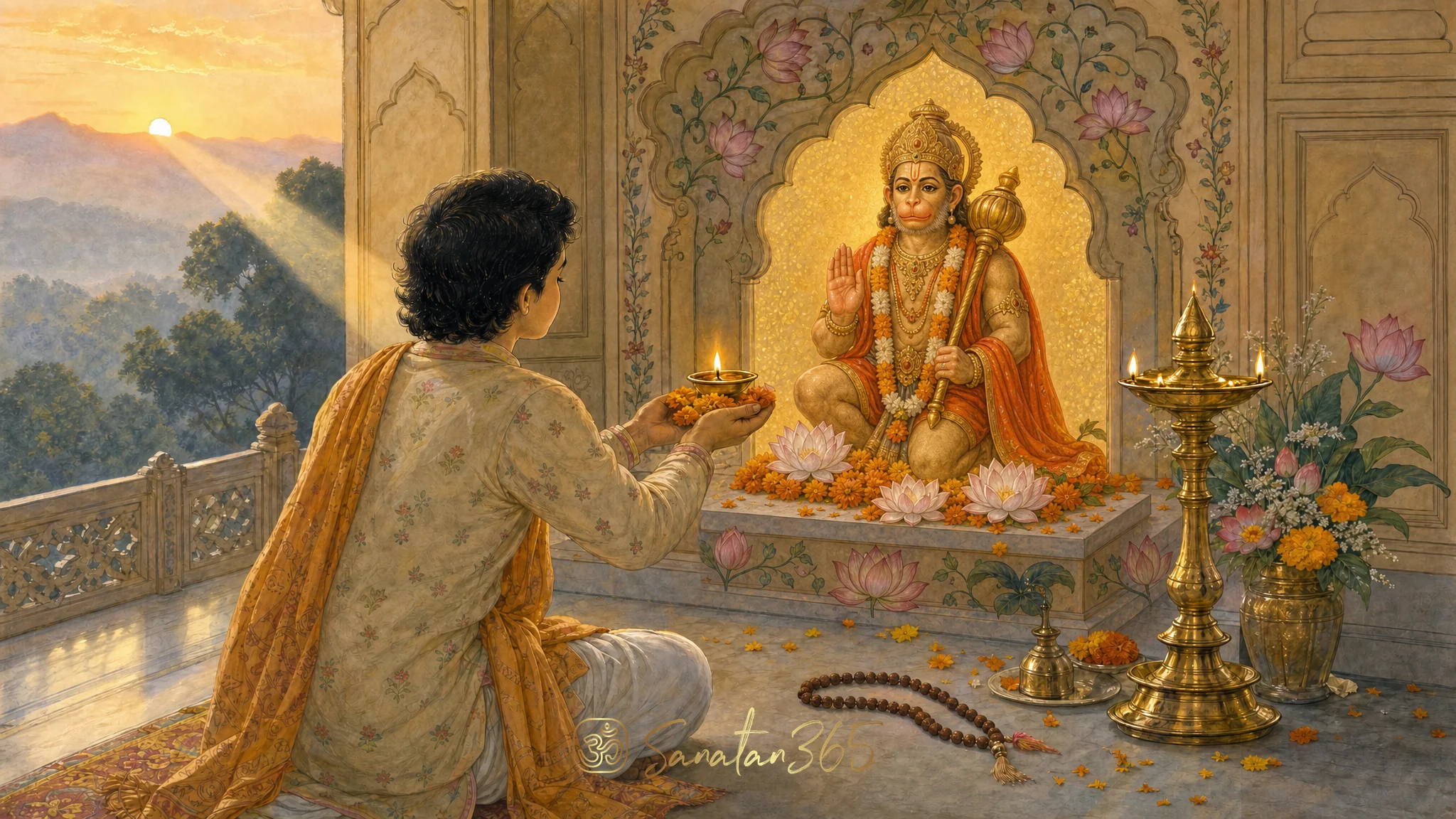
Bhakti meaning begins with devotion: loving participation in the sacred through remembrance, service, prayer, song, and surrender. In Sanskrit, bhakti (भक्ति, loving devotion or participation) is not only emotion; it is a way of orienting the whole person toward the Divine. Bhakti yoga (भक्ति योग, the path of devotion) teaches that love can become discipline, and discipline can become love. In Hindu life, bhakti may appear as a mantra whispered at dawn, a lamp lit before work, a kirtan sung in community, or a quiet decision to act with humility.
Key takeaway: Bhakti is devotion made steady through daily remembrance, not devotion reduced to occasional feeling.
What Is Bhakti Meaning in Hindu Wisdom?
The practical bhakti meaning is loving devotion that connects the seeker with the Divine through relationship, remembrance, and surrender. Encyclopaedia Britannica notes that the term bhakti is linked with “having a share,” suggesting a devotional bond in which the worshiper participates in sacred life without losing personal identity. This is why bhakti is often described as a path of love rather than a path of abstract theory alone.
In everyday Hindu practice, bhakti can be directed toward a personal form of the Divine such as Shiva, Vishnu, Krishna, Rama, Devi, Ganesha, Hanuman, or many other beloved forms. It can also be lived through reverence for the formless Supreme, a guru, a sacred text, a temple tradition, or the presence of dharma in ordinary action. The form varies. The inner movement is recognizable: the heart becomes less self-centered and more available to grace.
Bhakti is not sentimental weakness. It asks for shraddha (श्रद्धा, reverent trust), seva (सेवा, selfless service), and smarana (स्मरण, sacred remembrance). These words point to a devotion that is active. A devotee remembers, serves, listens, sings, studies, offers, and gradually learns to place ego beneath love.
This is why bhakti has remained so powerful across homes, temples, villages, cities, and diaspora communities. It does not require scholarship before it begins. A child can fold hands before a small altar. A grandparent can repeat a divine name while cooking. A student can pause before an exam and offer the result with sincerity. A family can sing one aarti together after dinner. Each act is small, but small acts repeated with love form a spiritual life.
Key takeaway: Bhakti means entering sacred relationship through love, remembrance, and humble participation.
Why Is Bhakti Yoga Called the Path of Devotion?
Bhakti yoga is called the path of devotion because it trains the heart to love the Divine steadily, not casually. In the Bhagavad Gita (भगवद्गीता, the Song of the Lord), chapter 12 is traditionally known as Bhakti Yoga. There, Arjuna asks about devotion to the personal form and the unmanifest Absolute, and Krishna answers with a compassionate teaching on practice, remembrance, surrender, and the qualities of a devotee. A widely used Gita reference site presents chapter 12 as “Bhakti Yog,” the yoga of devotion, with twenty verses focused on devotional absorption and conduct (Holy Bhagavad Gita).
The chapter is practical because it recognizes different levels of capacity. If a seeker cannot keep the mind absorbed in the Divine at all times, practice is advised. If steady practice feels difficult, one may perform work as an offering. If even that is hard, one may begin by giving up attachment to the fruits of action. This layered teaching matters for modern readers because it does not shame beginners. It gives a ladder.
A simple verse often used to express devotional offering is Bhagavad Gita 9.26:
“Whoever offers Me with devotion a leaf, a flower, a fruit, or water, I accept that loving offering from the pure-hearted one.”
The verse is not a rejection of elaborate worship. It is a reminder that the inner quality of the offering matters deeply. A flower without attention can become habit. A cup of water with devotion can become worship.
Bhakti yoga therefore joins feeling and discipline. It welcomes tears, song, beauty, and longing, but it also asks for steadiness. The devotee learns to keep returning, especially when the mind wanders. This return is the practice.
Key takeaway: Bhakti yoga makes devotion repeatable, embodied, and practical through offering, remembrance, and surrender.
How Does Bhakti Appear Across India and the Diaspora?
Bhakti has no single regional costume. In North India, devotion may be heard through the singing of the Ramcharitmanas, the Hanuman Chalisa, or Krishna bhajans in Braj and Vrindavan. In Maharashtra, Varkari devotion centers on Vitthal of Pandharpur, abhangas, pilgrimage, and communal singing. In Bengal and Odisha, kirtan and Vaishnava devotion carry deep emotional warmth. In Tamil Nadu, the hymns of the Alvars and Nayanmars show devotion through poetry, temple worship, and surrender. In Karnataka, Haridasa songs carry bhakti into music and moral instruction.
The diaspora adds another layer. In London, Toronto, Singapore, Sydney, Dubai, or New Jersey, bhakti often becomes a bridge between generations. A family may not live near an ancestral temple, but it can still preserve devotion through Saturday bhajans, festival puja, children learning simple shlokas, or grandparents explaining why a lamp is lit. The form adapts without needing to become shallow.
This regional variety is one reason bhakti should not be narrowed into one style of worship. Some devotees are drawn to nama japa (नाम जप, repetition of a divine name). Some love kirtan. Some prefer silent prayer. Some serve food, clean temple floors, teach children, care for elders, or support community life. Some study scripture with devotion rather than mere analysis. Each can become bhakti when the motive is reverence rather than display.
For readers who want to connect bhakti with specific practices, devotional repetition is closely related to Daily Mantra Chanting: A Practical Guide to Japa with Sage Narada Muni, while ethical steadiness connects naturally with Satya Meaning: Truthfulness as a Daily Practice of Dharma. The heart and conduct are not separate in Hindu wisdom.
Key takeaway: Bhakti is one current flowing through many regional languages, musical forms, family customs, and daily practices.
What Makes Devotional Practice Different from Mere Emotion?
Emotion can begin bhakti, but emotion alone does not complete it. A person may feel inspired during a festival, aarti, or moving bhajan, then return unchanged to impatience, pride, or carelessness. Bhakti becomes mature when love reshapes attention and behavior.
Four qualities help devotion become practice:
- Remembrance: The devotee brings the Divine into ordinary moments, not only formal worship.
- Offering: Work, food, speech, and outcomes are mentally offered before ego claims them.
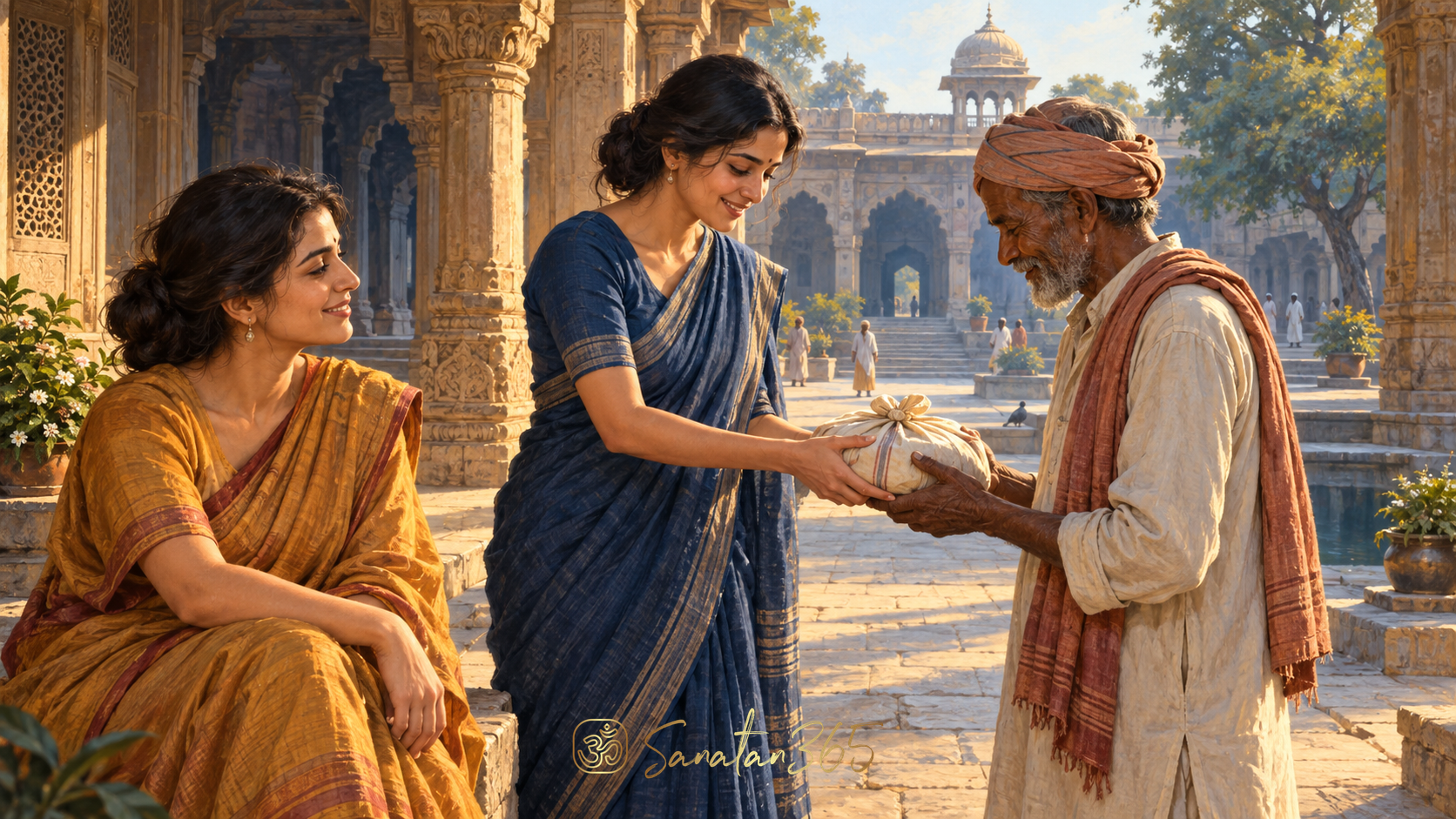
- Service: Love becomes useful through care for family, community, guests, animals, and those in need.
- Humility: The seeker remains teachable and does not use devotion to feel superior.
This distinction protects bhakti from performance. A long prayer is not automatically deeper than a sincere apology. A beautiful altar is not automatically higher than feeding someone with kindness. Hindu worship honors beauty, ritual, music, fragrance, and sacred form, but these external forms are meant to soften the heart.
Bhakti also does not require abandoning knowledge or action. The Gita presents multiple paths, and Hindu traditions often treat them as mutually supportive. Knowledge without devotion can become dry. Devotion without discernment can become unstable. Action without offering can become ego-driven. When these are held together, daily life becomes more balanced.
A useful question for self-reflection is: “Did this practice make the heart more truthful, patient, generous, and aware?” If yes, bhakti is moving from feeling into character.
Key takeaway: Devotion matures when love becomes remembrance, service, humility, and ethical conduct.
How Can a Beginner Practice Bhakti Every Day?
A beginner can practice bhakti by choosing a small, repeatable devotional rhythm and keeping it with sincerity. The goal is not to imitate someone else’s intensity. The goal is to begin honestly and return daily.
A gentle daily structure may look like this:
- Light a diya or sit quietly for one minute after waking.
- Offer a simple prayer in one’s own words.
- Repeat one divine name or mantra eleven times with attention.
- Read one verse from the Gita, Ramayana, Bhagavata Purana, or another trusted text.
- Before work or study, mentally offer the effort and its result.
- Perform one act of seva without seeking praise.
- End the day with gratitude and one short reflection: “Where did I remember? Where did I forget?”
The practice should remain realistic. A person with children, exams, caregiving duties, or long work hours may not sustain a long morning ritual. That does not mean bhakti is absent. A two-minute sincere practice is better than a one-hour routine that collapses after three days.
Families can make bhakti natural by connecting it to shared moments: one aarti after dinner, one story on weekends, one festival explanation before puja, one elder teaching one shloka to children. Devotion becomes durable when it is woven into household rhythm.
Modern seekers can also pair bhakti with study. Reading the Gita’s chapter on devotion alongside Isha Upanishad Meaning: Wholeness, Action, and Seeing the Divine in Daily Life can help readers see how love, action, and the vision of sacred presence belong together.
Key takeaway: Begin bhakti with a small daily practice, then let consistency deepen the heart over time.
Bhakti is not an escape from ordinary life. It is a way of making ordinary life more sacred. A lamp, a name, a song, a meal, a duty, a difficult conversation, and a quiet act of service can all become offerings when the heart remembers what it loves.
Key takeaway: Bhakti turns love into daily spiritual orientation: remember, offer, serve, and return.
One more practical safeguard is patience. Bhakti does not need to be measured by dramatic experiences. Some days feel full of sweetness; some days feel dry. The devotee keeps the lamp burning anyway. Over time, this steady return creates a quieter strength: less need to control every result, more willingness to serve, and a softer response when life does not obey personal preference. That is often where devotion becomes real.
FAQ
What is the simplest bhakti meaning?
The simplest bhakti meaning is loving devotion to the Divine. In Hindu practice, it includes prayer, remembrance, mantra, song, service, offering, and surrender.
Is bhakti yoga only for emotional people?
No. Bhakti yoga includes emotion, but it also requires discipline, humility, service, and steady remembrance. It trains the heart as carefully as meditation trains attention.
Can bhakti be practiced without elaborate rituals?
Yes. Elaborate rituals can be beautiful, but bhakti can begin with a sincere offering of a leaf, flower, fruit, water, mantra, or act of service. The inner quality matters.
Which deity should someone choose for bhakti?
A seeker may begin with the form of the Divine that naturally inspires reverence, love, and steadiness. Hindu tradition honors many forms without requiring one path to be declared superior.
How is bhakti different from karma yoga?
Karma yoga emphasizes selfless action and offering the fruits of work. Bhakti yoga emphasizes loving devotion and surrender. In daily life, they often support each other: work can become an offering, and devotion can become service.
About the author
Sanatan365 Editorial
Bringing Sanatan Dharma to modern seekers through authentic, scripture-grounded content.
Related in Wisdom
 Wisdom
Shadripu Meaning: Six Inner Adversaries and Responsible Choice
Understand desire, anger, greed, delusion, pride and envy as six inner adversaries, with practical distinctions that keep self-discipline h…
 Wisdom
Mudita Meaning: Joy in Another Person's Goodness
Explore mudita in Yoga Sutra 1.33: appreciative joy in another person's goodness, its limits, and a grounded way to practise it.
 Wisdom
Anugraha Meaning: Divine Grace and Human Effort in Hindu Thought
Anugraha names grace, but not a bargain for a particular result. Explore how Hindu traditions hold divine help and human effort together.