Sandhya Aarti Meaning: Evening Light, Gratitude, and Devotional Closure
Sandhya Aarti is the evening offering of light in Hindu worship, a simple but profound way to close the day with gratitude, darshan, and inner steadiness.
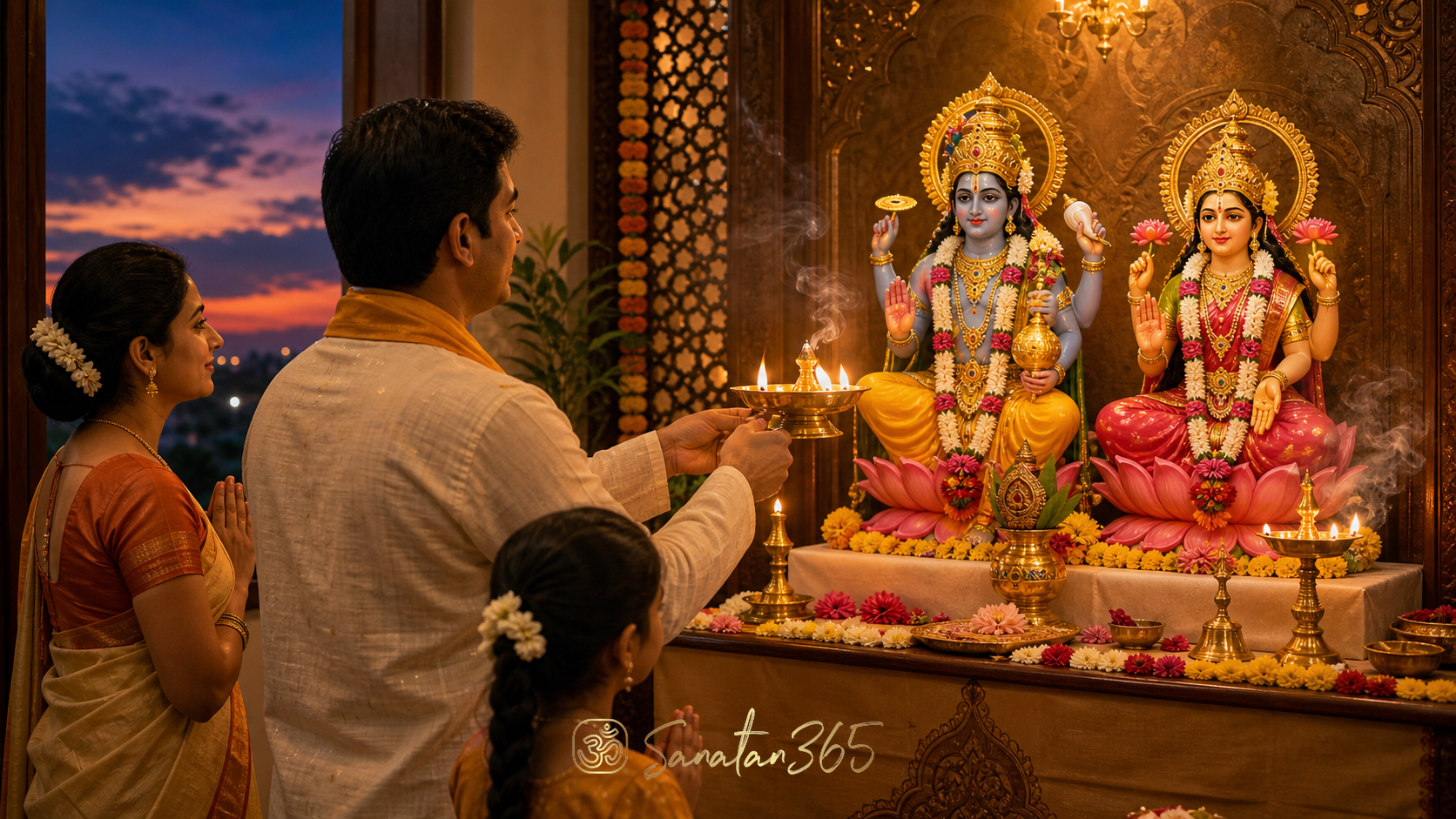
At sunset, Hindu worship often begins with one small flame moving in circles before the Divine.
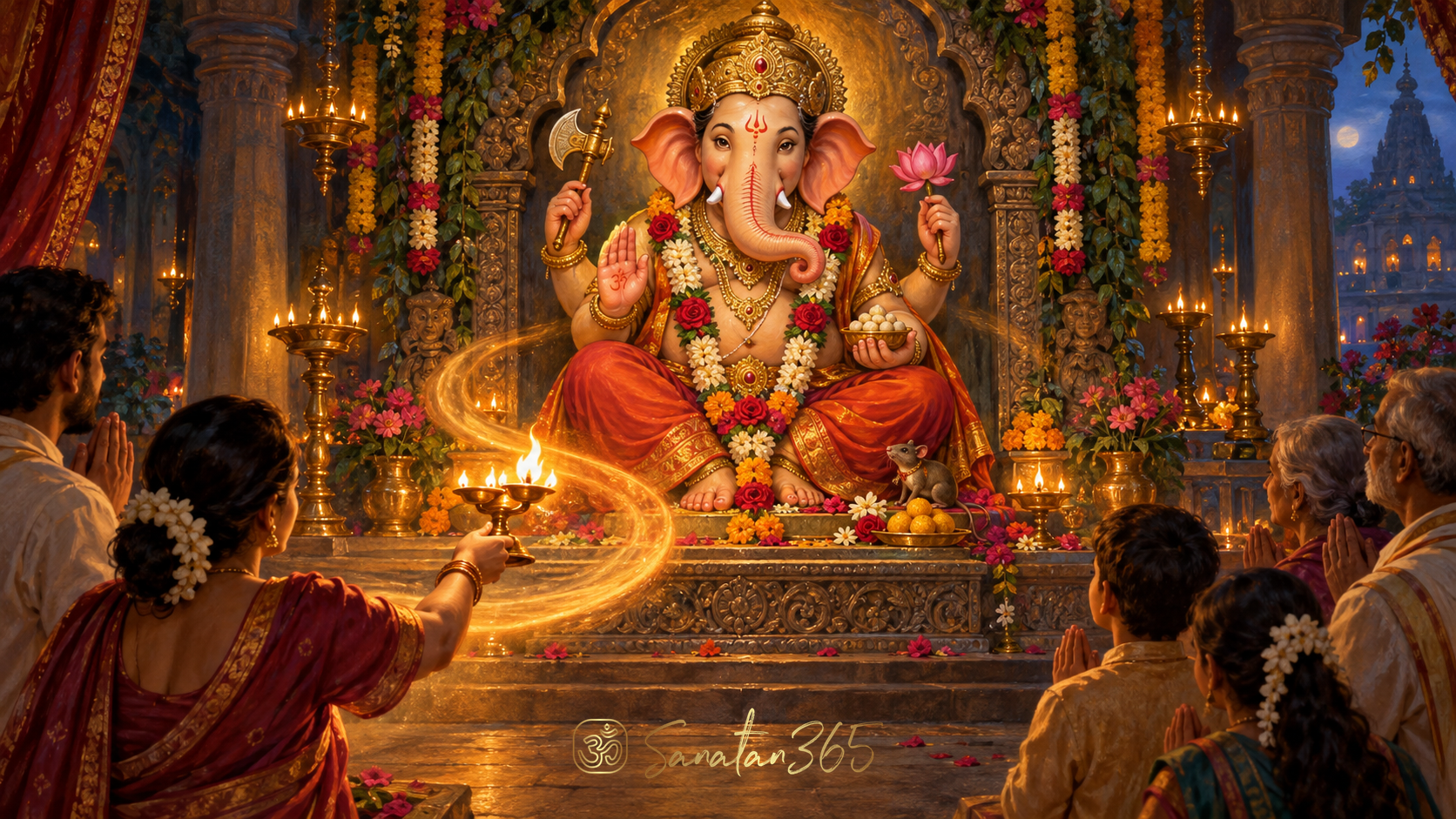
Sandhya Aarti meaning is the evening offering of light in Hindu worship: a devotional ceremony in which a lamp is waved before a deity, sacred image, or home altar to express gratitude, receive darshan (दर्शन, sacred seeing), and close the day in remembrance. Sandhya (सन्ध्या, twilight or junction) marks the meeting point between day and night, while aarti (आरती, offering of light) turns that threshold into prayer. In temples it may be elaborate; at home it can be as simple as a diya, a short hymn, and a quiet bow.
Key takeaway: Sandhya Aarti is not only a ritual of flame; it is a daily discipline of ending the day with reverence.
What Is Sandhya Aarti Meaning in Hindu Worship?
Sandhya Aarti is the evening form of aarti, the Hindu ceremony of offering light during puja (पूजा, reverent worship). BAPS describes arti as a prayerful ceremony of greeting and thanksgiving before the Deities, reminding devotees of divine presence and providence. The Hindu American Foundation home puja guide explains puja as an act of respect, gratitude, and devotion that sanctifies the home and strengthens spiritual connection.
Those two ideas meet beautifully in Sandhya Aarti. The devotee does not simply "perform a custom." The devotee pauses at the day's edge and says, through light: this day was received, this life is held by something sacred, and the mind can return to the Divine before night begins.
In many temples, Sandhya Aarti is part of the daily darshan cycle. A BAPS mandir schedule identifies Sandhya Arti as the evening audience of the Deities, distinct from Mangala Arti in the morning, Rajbhog Arti after the midday offering, and Shayan Arti before rest. The exact times and names vary by sampradaya (सम्प्रदाय, lineage or tradition), temple, and household, but the pattern is widely recognizable: morning awakens devotion; evening gathers it back.
For home worship, Sandhya Aarti may include:
- Lighting a diya (दीया, oil or ghee lamp) or camphor flame.
- Offering the flame clockwise before the murti (मूर्ति, consecrated divine image), picture, Shiva linga, yantra, or sacred symbol.
- Singing or reciting a short aarti, mantra, or name of the chosen deity.
- Offering flowers, incense, water, or simple mental gratitude.
- Receiving the flame's warmth with the hands and touching the forehead or eyes.
The form can be small; the intention should be full.
Key takeaway: Sandhya Aarti is evening puja centered on light, darshan, and grateful closure.
Why Is Evening Aarti Performed at Twilight?
Twilight has long carried spiritual importance because it is a liminal moment, a junction rather than an ordinary hour. The Sanskrit word sandhya points to this joining: day joins night, outer activity joins inward quiet, and scattered attention can join remembrance.
The evening also reveals a simple truth about human life. During the day, the mind is pulled into work, family duties, decisions, noise, travel, and screens. Sandhya Aarti gathers that dispersed energy. The flame becomes a visible center. The hymn gives the voice a sacred direction. The bell, incense, and bow bring the body into the prayer rather than leaving devotion as an idea.
In the Bhagavad Gita, Krishna says, "Out of compassion, I dwell in their hearts and destroy the darkness born of ignorance with the shining lamp of knowledge" (Bhagavad Gita 10.11). Aarti does not reduce this teaching to a symbol, but it does make the symbol vivid. The lamp in the hand reminds the devotee of a deeper lamp: awareness, discrimination, and grace.
Evening aarti is also practical for family life. Children may not sit for long philosophy. Elders may not want complex ritual steps every day. A shared flame, a familiar song, and a few minutes before the altar can hold the family together without strain. In diaspora homes, where temple visits may be weekly or occasional, Sandhya Aarti helps preserve the rhythm of Hindu practice inside the home itself.
There is no single universal rule that every household must follow identically. Some families offer aarti at sunset. Some do it after returning from work. Some combine it with dinner-time gratitude. Some offer it before a deity such as Shiva, Vishnu, Lakshmi, Durga, Krishna, Rama, Ganesha, Hanuman, or their kula devata (कुल देवता, family deity). The heart of the practice is steadiness, not performance.
Key takeaway: Sandhya Aarti turns twilight into a daily return from distraction to devotion.
What Does the Aarti Flame Symbolize?
The aarti flame is small enough to hold, yet its meanings are layered.
First, the flame is an offering. The devotee gives light to the One from whom all light comes. This is why aarti is not merely decorative. It is a gesture of humility: the worshipper offers back a little of what has already been received.
Second, the flame is attention. In a room full of movement, the eye rests on fire. A circling lamp draws the mind toward the murti or sacred focus. The circular movement can be understood as saying: may every direction of life revolve around dharma (धर्म, sacred order and right living).
Third, the flame is purification. Fire consumes, clarifies, and illumines. When devotees pass their hands over the flame and touch the forehead or eyes, the gesture expresses a wish to receive prasada (प्रसाद, blessed grace) through sight, thought, and perception. The warmth is not magic in a mechanical sense; it is embodied reverence.
Fourth, the flame is knowledge. Hindu traditions often speak of ignorance as darkness and wisdom as light. Aarti lets that teaching become physical. At the end of the day, the devotee asks: what should be seen more clearly, what should be released, and what should be carried into tomorrow?
The materials also matter:
- A ghee lamp suggests purity, nourishment, and auspiciousness.
- An oil lamp suggests steadiness and accessible daily devotion.
- Camphor burns brightly and leaves little residue, often interpreted as the ego offered fully into the Divine.
- Incense adds fragrance, reminding the devotee that good action should quietly spread beyond the altar.
- Flowers express beauty, softness, and impermanence.
These meanings should be held with humility. A village grandmother, a temple priest, and a modern apartment-dwelling family may explain the same flame differently. The ritual is rich enough to hold many devotional interpretations without needing one narrow definition.
Key takeaway: In Sandhya Aarti, light becomes offering, attention, purification, and spiritual remembrance.
How Can a Family Perform Sandhya Aarti at Home?
A home Sandhya Aarti does not need to imitate a large temple. It should be clean, reverent, and sustainable.
Begin with a simple altar. Keep the worship focal point clear: a murti, framed image, Shiva linga, yantra, or sacred symbol. Avoid a cluttered surface. A clean cloth, a diya, flowers, and a small bell are enough.
Before beginning, wash hands and settle the mind. If possible, face east or north, though household layout may not always allow this. The more important discipline is sincerity and regularity.
A simple sequence may look like this:
- Light the diya or camphor safely.
- Offer a short prayer to Ganesha or the chosen deity.
- Ring the bell gently to mark the beginning of worship.
- Wave the lamp clockwise before the deity or sacred focus.
- Sing a known aarti, chant a mantra, or repeat a divine name.
- Offer silent gratitude for the day.
- Receive the flame's warmth and bow.
- Share a small prasada if available.
For families with young children, keep the practice short and beautiful. Let a child ring the bell, place a flower, or say one line of gratitude. Avoid turning the ritual into a scolding session about posture or perfection. The goal is to plant devotion, not anxiety.
For elders or people living alone, Sandhya Aarti can be even simpler: one lamp, one mantra, and one minute of stillness. A daily ritual becomes powerful when it is repeatable.
For safety, never leave the flame unattended. Keep loose cloth, hair, paper, and curtains away from the lamp. Use a stable plate or holder. If open flame is not safe in a particular home, one may still sit for evening remembrance with a covered lamp, battery diya, or mental offering, while preserving the intention of light.
Key takeaway: The best home Sandhya Aarti is reverent, safe, and regular enough to become part of daily life.
How Is Sandhya Aarti Different From Mangala, Rajbhog, and Shayan Aarti?
Temple traditions often arrange the day around several moments of darshan and service. The names vary, but a common devotional rhythm includes morning, adornment, meal, evening, and night offerings.
Mangala Aarti is associated with the auspicious beginning of the day. It greets the Divine at dawn and invites the devotee to begin life in remembrance. Readers who want the morning counterpart can also study Mangala Aarti Meaning: Morning Worship, Light, and Auspicious Devotion.
Rajbhog Aarti is connected with the midday offering, when food is offered to the Deity before being received as prasada. Its mood is nourishment, hospitality, and royal service.
Sandhya Aarti belongs to the evening. Its mood is gratitude, return, and the softening of the mind after the day's activity.
Shayan Aarti is associated with night, when the Deity is lovingly offered rest. Its mood is tenderness, surrender, and completion.
This rhythm teaches something subtle: Hindu worship does not treat the Divine as an abstract idea visited only in crisis. It trains the heart to relate to the Divine through the whole day: waking, adorning, feeding, thanking, resting. In this sense, the daily aarti cycle is a devotional education.
At home, most families do not need every temple step. But even one Sandhya Aarti can carry the larger rhythm. It says that the day does not end only with fatigue or entertainment. It ends with darshan, gratitude, and a lamp.
Key takeaway: Sandhya Aarti is the evening point in a wider daily rhythm of loving service.
What Should Devotees Remember While Doing Evening Aarti?
The outer form of Sandhya Aarti matters, but the inner attitude matters more.
Remember gratitude. Before asking for tomorrow's protection, acknowledge today's unseen blessings: food, breath, shelter, learning, family, work, forgiveness, and survival through difficulty.
Remember humility. Aarti is not a display of spiritual status. Whether the lamp is silver or simple clay, the devotee stands before the Divine as a receiver.
Remember attention. If the mouth sings while the mind scrolls through worry, gently bring the mind back. The flame helps because it gives attention a visible home.
Remember inclusiveness. Different Hindu families use different songs, languages, and deity forms. A Gujarati aarti, a Marathi aarti, a Tamil evening hymn, a Bengali devotional song, or a simple Sanskrit mantra can all carry sincere bhakti (भक्ति, devotion).
Remember health and responsibility. Fasting, late-night routines, incense, or long standing may not suit every person. Spiritual practice should be adapted wisely for elders, children, pregnant women, people with respiratory concerns, and anyone under medical care. Aarti supports devotion; it does not replace professional care or common sense.
Finally, remember silence. After the song ends, pause. Let the flame settle the mind. The deepest part of Sandhya Aarti may be the quiet that follows.
Key takeaway: Evening aarti is strongest when the flame outside awakens attention inside.
The single key takeaway: Sandhya Aarti closes the day by placing light before the Divine and bringing the devotee's mind back to gratitude, darshan, and dharma.
FAQ
What is Sandhya Aarti meaning in simple words?
Sandhya Aarti means the evening offering of light in Hindu worship. A devotee waves a diya or camphor flame before the Divine at twilight, usually with a hymn, mantra, bell, and bow.
What time should Sandhya Aarti be done?
Sandhya Aarti is commonly done around sunset or early evening. Temple schedules vary by tradition and season, and home practice can be adapted to the family's daily routine.
Can Sandhya Aarti be done at home without a priest?
Yes. A simple home Sandhya Aarti can be performed by any devotee with reverence, cleanliness, and safety. A diya, a clear worship focal point, a short prayer, and gratitude are enough.
Which deity is worshipped during Sandhya Aarti?
There is no single required deity for every household. Families may offer Sandhya Aarti to Shiva, Vishnu, Lakshmi, Durga, Krishna, Rama, Ganesha, Hanuman, a kula devata, a Shiva linga, or another sacred focus in their tradition.
Is Sandhya Aarti different from regular puja?
Sandhya Aarti is often one part of puja. Puja may include offerings such as water, flowers, incense, food, and mantra, while aarti specifically centers on offering light before the Divine.
About the author
Sanatan365 Editorial
Bringing Sanatan Dharma to modern seekers through authentic, scripture-grounded content.
Related in Aarti
 Aarti
AartiDurge Durghat Bhari Aarti Meaning: A Marathi Prayer for Refuge
Read the Marathi Durga aarti through its appeal for compassion, the limits of description, and its closing image of devotion at the Mother’…
 Aarti
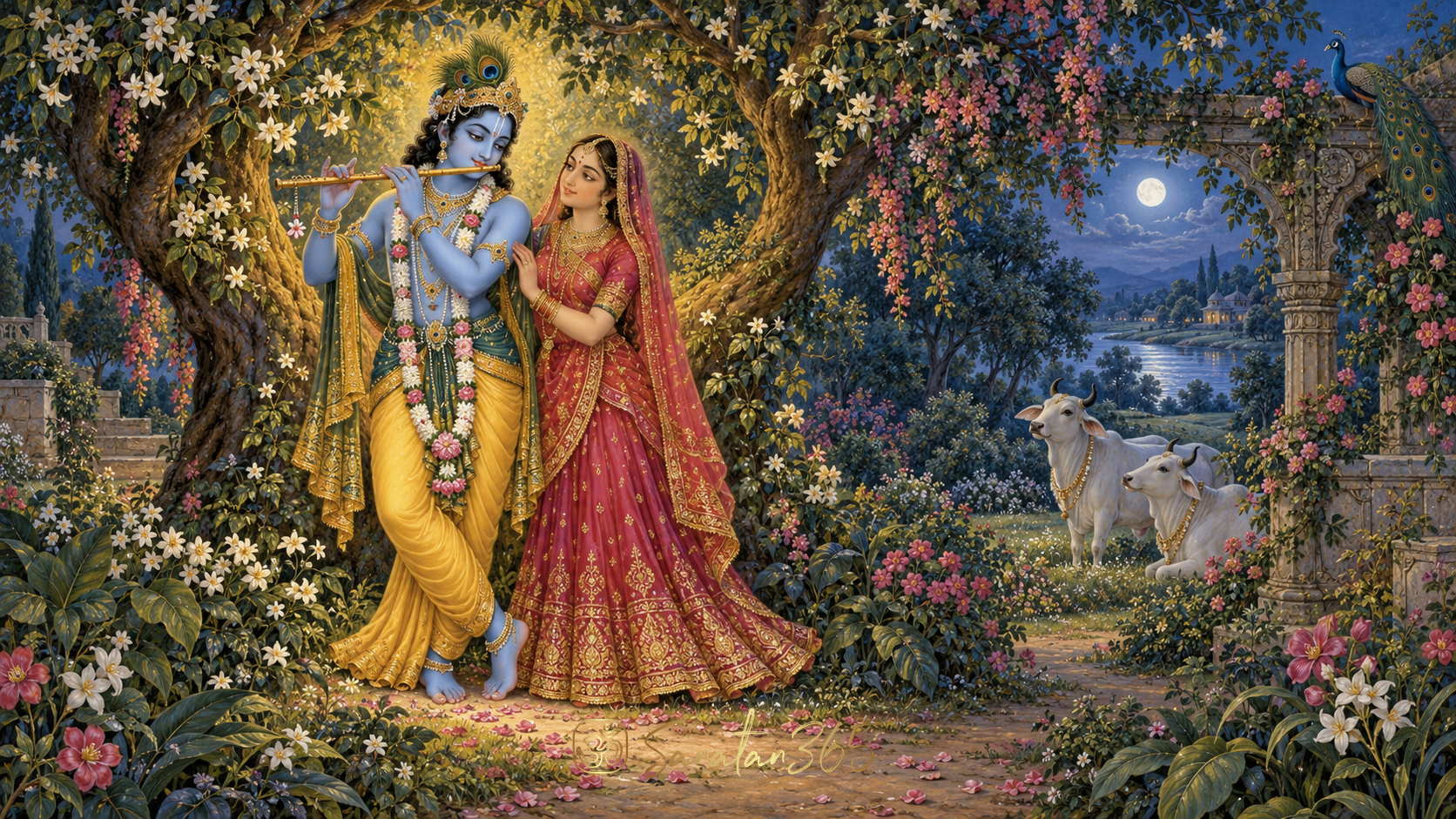
AartiAarti Kunj Bihari Ki Meaning: Seeing Krishna Through Song
Read the names and poetic images of Aarti Kunj Bihari Ki, from Krishna's flute and forest grove to Radha, Ganga and attentive devotional si…
 Aarti
AartiJai Ganesh Deva Aarti Meaning: Reading the Song With Reverence
Understand the familiar Hindi Ganesh aarti through its refrain, sacred imagery, offerings and language of refuge, without turning devotiona…