Kapoor Aarti Meaning: Why the Camphor Flame Matters in Hindu Worship
Kapoor Aarti is the offering of a camphor flame before the Divine, symbolizing light, humility, and the surrender of ego in Hindu worship.
A tiny white piece of kapoor can become the most visible moment of a whole puja.
Kapoor Aarti meaning begins with kapoor (कपूर, camphor) and aarti (आरती, the ritual offering of light). In Hindu worship, the camphor flame is waved before the Divine as a sign of reverence, gratitude, and surrender. Because camphor burns brightly and disappears without leaving a heavy residue, devotees often understand it as a symbol of the ego being offered into divine light. Aarti itself is widely described as a ceremony of light that honors the presence of the Deity and brings the sanctified flame back to the devotee. BAPS Shri Swaminarayan Mandir, London
Key takeaway: Kapoor Aarti is not only a closing gesture. It is a compact teaching on light, humility, and inner offering.
What Is Kapoor Aarti Meaning in Hindu Worship?
The phrase Kapoor Aarti meaning points to a specific form of aarti in which burning camphor is offered before a murti (मूर्ति, consecrated sacred image), a Shiva linga, a sacred symbol, or the chosen form of the Divine. In many homes and temples, aarti may use a ghee lamp, oil lamp, or camphor. Kapoor Aarti is especially memorable because the flame is intense, fragrant, and brief.
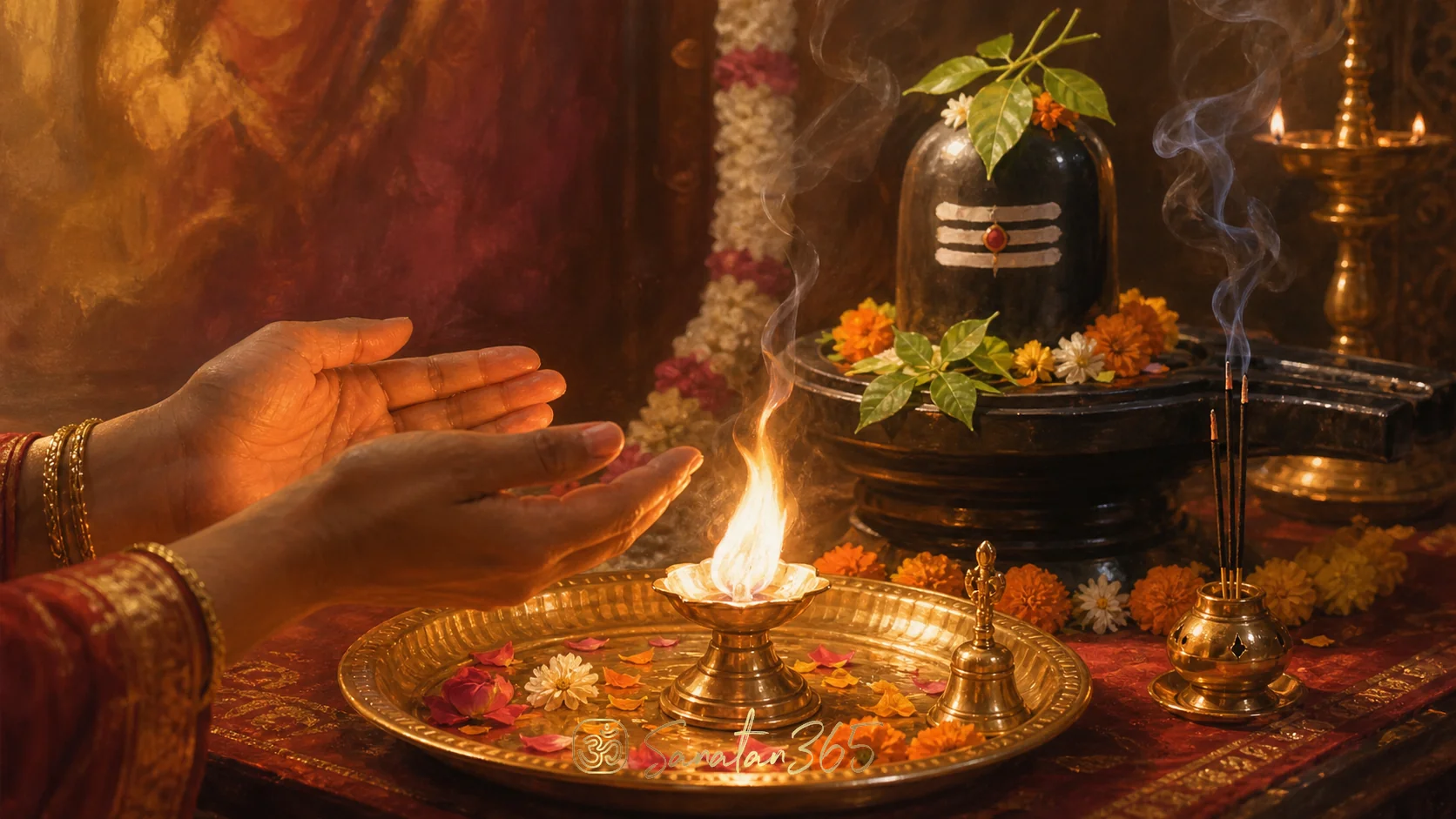
Aarti, also spelled arti or arati, is part of puja (पूजा, worshipful offering). The flame is usually moved in a circular motion before the Divine while a prayer, bhajan, or aarti song is sung. After the offering, devotees place their hands over the warmth of the flame and bring that warmth toward the eyes or forehead. This is not "taking fire" in a crude sense. It is receiving prasada-like grace through light that has just been offered in worship.
The BYU Museum of Art's description of Hindu temple worship notes the sacred flame of aarti alongside the bell and conch in daily worship settings. This shows that aarti is not an isolated decorative act; it belongs to a larger rhythm of invocation, offering, sound, fragrance, and darshan (दर्शन, sacred seeing). BYU Museum of Art
Kapoor adds a sharper philosophical layer. It catches fire quickly, shines clearly, and vanishes. The devotee sees a visible lesson: what is offered fully does not cling to itself. In the language of daily practice, the camphor flame says, "May the self-centered part of me become light."
Key takeaway: Kapoor Aarti is a light-offering in puja where camphor turns devotion into a visible lesson of surrender.
Why Is Camphor Used in Aarti?
Camphor is used in aarti because it combines ritual usefulness with symbolic depth. It burns with a clear flame, releases a distinctive fragrance, and leaves little visible residue compared with many ordinary fuels. That physical behavior became spiritually meaningful in Hindu worship. The burning kapoor is often read as an image of ahamkara (अहंकार, ego-sense or self-importance) dissolving before the Divine.
This does not mean the material itself performs spiritual transformation automatically. Hindu ritual is not mechanical magic. The substance supports the devotee's intention. When the flame is offered with attention, the devotee is invited to ask a direct question: what in me can be offered today?
Three meanings are especially important:
- Light over inner darkness. The flame reminds the devotee that awareness, wisdom, and devotion remove confusion.
- Surrender without residue. Camphor's disappearance suggests offering oneself without bargaining or display.
- Fragrance as refined action. The aroma hints that sincere offering should leave sweetness in the world.
Contemporary temple and devotional explanations often emphasize these same themes of purification, surrender, and receiving divine light through the aarti flame. A careful reader should treat such explanations as devotional interpretation, not as a single universal rule for every Hindu community. Practices vary across families, sampradayas (सम्प्रदाय, sacred lineages), regions, and temples.
Key takeaway: Camphor is used because its flame makes surrender visible, but the real offering is the devotee's attention and humility.
How Does Kapoor Aarti Connect to Darshan and Prasad?
Kapoor Aarti is closely connected to darshan, the sacred act of seeing and being seen by the Divine. During aarti, the flame illuminates the murti or sacred focal point. The devotee sees the Deity in light, and then receives the warmed light with joined hands. This creates a complete movement: offering goes toward the Divine, grace returns toward the devotee.
In temple settings, this moment can feel communal. The same flame is shown to the Deity and then shared among devotees. People may gather their palms over it and touch their eyes or crown. The gesture expresses reverence: may the light that honored the Divine also purify how one sees, thinks, and acts.
The BAPS explanation of arti describes it as a prayerful ceremony of greeting and thanksgiving, where devotees are reminded of God's presence and providence. That framing is useful because it keeps the ritual from becoming merely symbolic. The devotee is not only thinking about light. The devotee is greeting the Divine with light. BAPS Shri Swaminarayan Mandir, London
Prasad (प्रसाद, grace-filled offering) is usually associated with food that has been offered and returned. Aarti is different, yet the pattern is related. The flame is offered, sanctified by worship, and then received. The devotee does not possess the flame. The devotee receives its blessing and lets it refine the senses.
This is why aarti often comes near the end of puja. After flowers, incense, mantra, food, water, and prayer, the light gathers the whole worship into one bright gesture. Kapoor Aarti intensifies this closing because the camphor flame is brief. It asks the devotee to be present now, not later.
Key takeaway: Kapoor Aarti completes the movement of worship: light is offered to the Divine, then received back as grace.
What Is the Right Way to Receive Kapoor Aarti?
There is no single household pattern for every Hindu family, but the basic etiquette is simple: receive Kapoor Aarti with attention, respect, and steadiness. The outer movement matters because it trains the inner mood.
A gentle sequence for receiving aarti:
- Stand or sit calmly as the flame is offered.
- Keep the hands clean and the posture respectful.
- When the aarti plate comes near, place both palms briefly over the warmth.
- Bring the hands toward the eyes, forehead, or crown according to family custom.
- Avoid rushing, joking, crowding, or treating the flame casually.
- If children are present, help them receive the warmth safely and reverently.
For home worship, safety also belongs to dharma (धर्म, right order and responsibility). Kapoor burns strongly. Use a stable aarti plate, keep cloth and hair away from the flame, ventilate the space, and do not leave burning camphor unattended. Reverence is not separate from practical care.
The gesture of receiving the flame can be understood through the senses. The eyes receive light. The hands receive warmth. The mind receives a reminder. The heart receives the invitation to soften. Aarti trains the whole person through a small, repeatable act.
In diaspora homes, where temple access may be occasional, Kapoor Aarti can preserve continuity. A family may perform a short evening puja before a small shrine, sing one aarti, and let the children receive the flame. The practice carries memory, language, music, and devotion into ordinary domestic life without needing a large ceremony.
Key takeaway: Receive Kapoor Aarti slowly and safely, with the understanding that the flame is a returned blessing, not a spectacle.
Why Does the Camphor Flame Symbolize Ego-Surrender?
The camphor flame symbolizes ego-surrender because it gives itself completely to light. This is a devotional interpretation drawn from the material's behavior: kapoor burns, shines, gives fragrance, and disappears. Nothing heavy remains. The image is simple enough for a child and deep enough for a lifelong seeker.
In Hindu thought, ahamkara does not merely mean healthy identity. It means the hardened "I-maker" that turns life into constant possession, comparison, and self-display. A person may do puja and still remain full of pride. Kapoor Aarti gently exposes that contradiction. The flame says: do not only offer flowers; offer the stubbornness that prevents love.
This does not require self-hatred. Sanatan Dharma does not ask the seeker to despise the self. The deeper movement is refinement. The limited ego becomes transparent to Atman (आत्मन्, the inner Self) and to the Divine presence. The devotee remains active in family, work, study, and service, but with less clinging.
The symbolism also protects aarti from becoming transactional. If a devotee sees Kapoor Aarti only as a way to get a wish fulfilled, the camphor's teaching is missed. The brighter prayer is: may my desire become cleaner; may my action become dharmic; may my worship make me less harsh and more truthful.
This is why Kapoor Aarti can be powerful even when brief. A one-minute flame can challenge a whole day of ego. It asks whether devotion remains in the shrine or follows the devotee into speech, money, family duties, and choices.
Key takeaway: The camphor flame teaches surrender without self-erasure: let pride burn, so clearer devotion can remain.
How Can Kapoor Aarti Be Practiced at Home with Depth?
At home, Kapoor Aarti becomes meaningful when it is regular, modest, and conscious. A large setup is not required. A clean place, a respectful focal point, a stable flame, and sincere attention are enough. The worship focal point may be a murti, Shiva linga, framed deity image, sacred symbol, or family shrine according to tradition.
One simple home practice:
- Clean the shrine area and sit quietly for a moment.
- Light incense or a lamp if that is part of the family custom.
- Offer a short prayer or mantra.
- Light a small piece of kapoor safely on the aarti plate.
- Move the flame clockwise before the Divine while singing or silently praying.
- Receive the flame with both hands.
- Sit for a few breaths and carry one intention into the day.
The intention can be specific: "May my speech be softer today," "May I serve without showing off," or "May I remember the Divine before reacting." This keeps Kapoor Aarti from becoming a habit without heart.
Regional forms vary. In Maharashtra, Gujarat, Tamil Nadu, Bengal, North India, and diaspora homes, the songs, lamps, plate items, and deity focus may differ. Some families use ghee lamps more often than camphor; some reserve camphor for particular moments; some temples have elaborate aarti schedules. Variation is normal within Hindu practice. The shared essence is the offering of light with devotion.
Readers who want to understand aarti alongside other daily practices can compare it with Bhajan Meaning: Devotional Singing as Everyday Bhakti and Nitya Puja Meaning: Daily Worship as a Living Hindu Practice. Bhajan gives voice to devotion; nitya puja gives daily structure; Kapoor Aarti gives the worship a bright moment of offering and return.
Key takeaway: Home Kapoor Aarti should be simple, safe, and sincere, with one lived intention attached to the flame.
FAQ
What is Kapoor Aarti meaning in simple words?
Kapoor Aarti meaning is the offering of a camphor flame before the Divine during Hindu worship. The flame represents light, devotion, and the surrender of ego into divine presence.
Why does camphor burn without leaving much residue?
Camphor is a volatile substance, so it vaporizes and burns readily when lit. In devotion, this physical quality is interpreted symbolically: the ego should be offered fully, without leaving pride behind.
Is Kapoor Aarti required in every puja?
No. Many families and temples use ghee lamps, oil lamps, or other forms of aarti according to tradition. Kapoor Aarti is common and powerful, but Hindu practice allows regional and lineage variation.
Can Kapoor Aarti be done at home?
Yes. Kapoor Aarti can be done at home before a clean and respectful shrine, provided the flame is handled safely. A small amount of camphor, a stable plate, and sincere prayer are enough.
What should one think while receiving aarti?
A simple thought is: "May this light guide my seeing, thinking, and actions." The exact words can vary, but the mood should be gratitude, humility, and readiness to live with more dharma.
Kapoor Aarti is small in size but large in teaching. The camphor flame rises, shines, offers fragrance, and disappears. In that brief light, Hindu worship gives the devotee a daily lesson: let devotion become visible, let ego become lighter, and let the received flame guide the next action.
Key takeaway: Kapoor Aarti matters because it turns the offering of light into a practice of humility, awareness, and lived devotion.
About the author
Sanatan365 Editorial
Bringing Sanatan Dharma to modern seekers through authentic, scripture-grounded content.
Related in Aarti
 Aarti
AartiDurge Durghat Bhari Aarti Meaning: A Marathi Prayer for Refuge
Read the Marathi Durga aarti through its appeal for compassion, the limits of description, and its closing image of devotion at the Mother’…
 Aarti
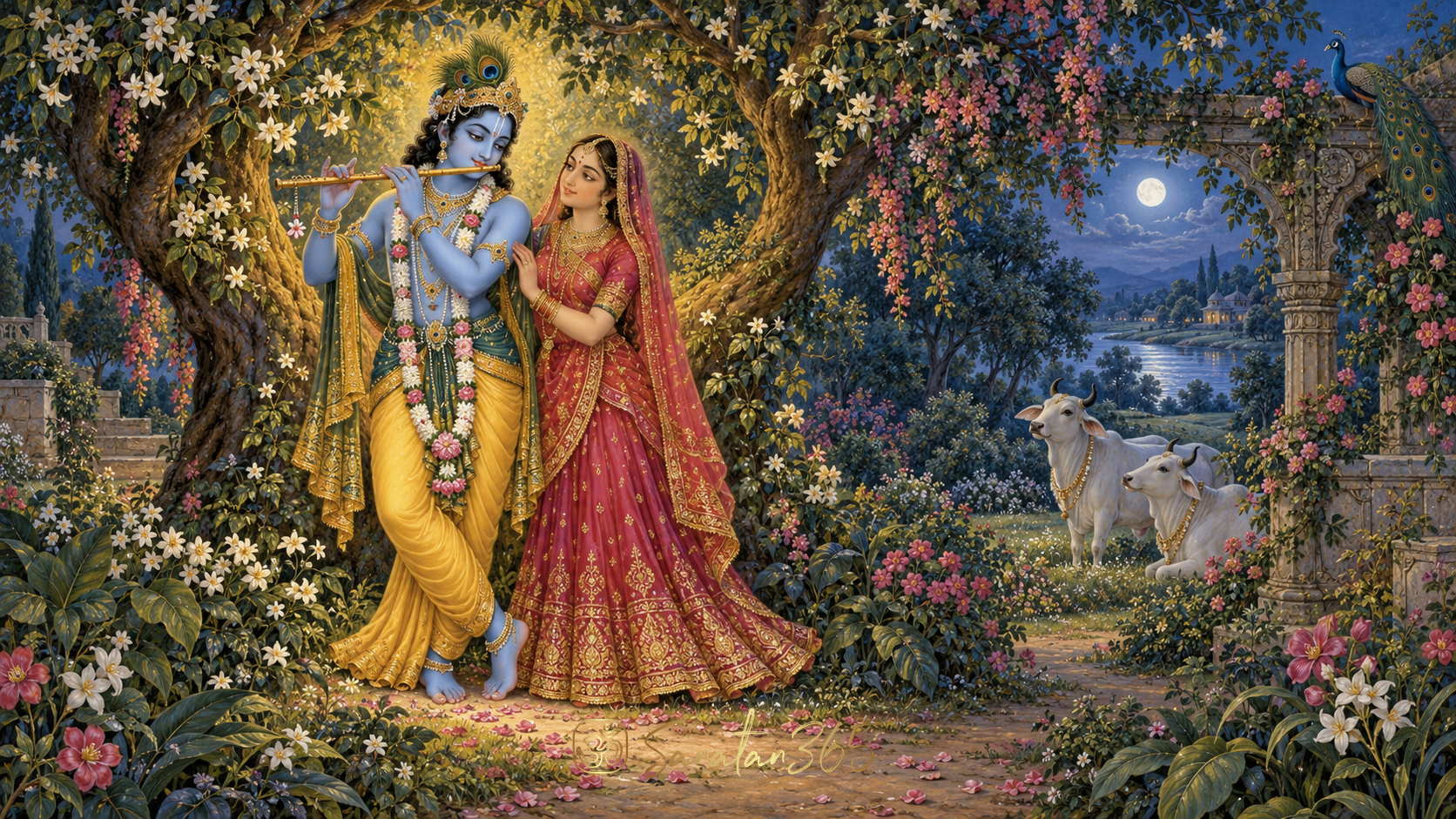
AartiAarti Kunj Bihari Ki Meaning: Seeing Krishna Through Song
Read the names and poetic images of Aarti Kunj Bihari Ki, from Krishna's flute and forest grove to Radha, Ganga and attentive devotional si…
 Aarti
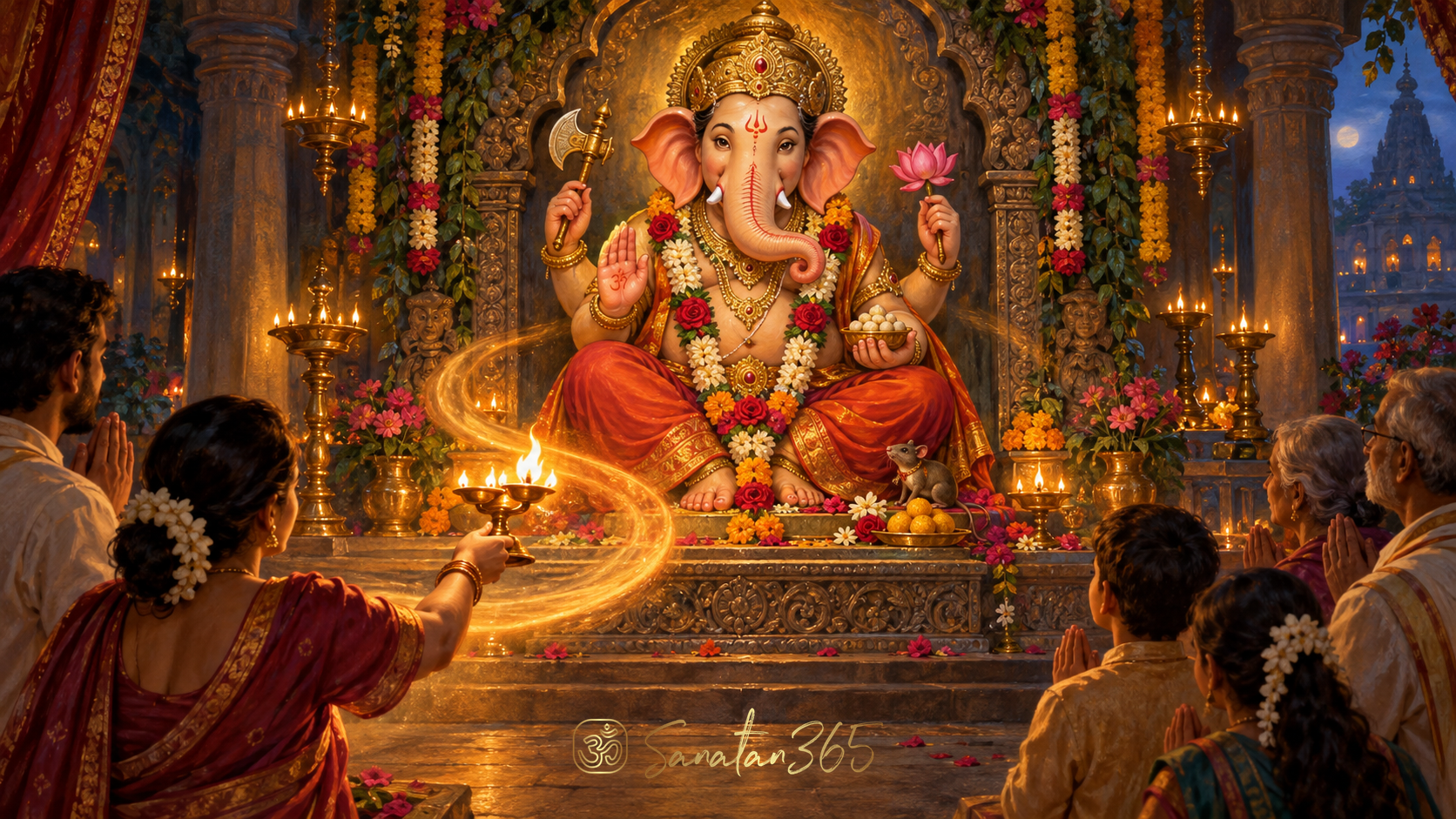
AartiJai Ganesh Deva Aarti Meaning: Reading the Song With Reverence
Understand the familiar Hindi Ganesh aarti through its refrain, sacred imagery, offerings and language of refuge, without turning devotiona…